

 Hong Kong
 Singapore
 BVI
 Jersey
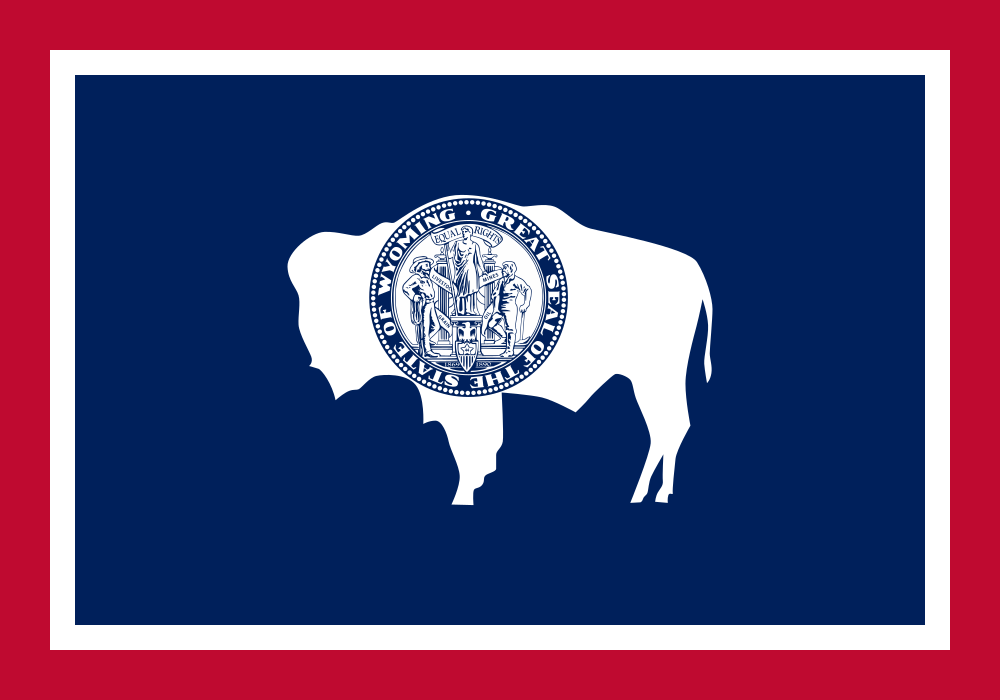
What is a Wyoming trust?
What is a Wyoming trust? It is a trust governed by Wyoming law, in which a trustee holds assets for beneficiaries under a written deed. This page answers the questions families ask, from basics and set-up to running the trust, reporting and getting help. If yours is not here, book a call.
Reviewed by a senior trust administrator, updated
Top questions
Jump to an answer below.
Key facts
- Governing law
- Qualified spendthrift trusts: W.S. 4-10-510 to 4-10-523[1]
- Perpetuity period
- Non-real property can stay in trust for up to 1,000 years[2]
- Protector
- The deed can name a trust protector and a trust advisor[1]
- Reporting to authorities
- A nonresident non-citizen's estate files Form 706-NA above a US-asset threshold[3]
Numbers in brackets point to the Sources list at the end of this page.
Basics: settlor, trustee, beneficiaries and the deed

A trust has three roles and one document. The settlor transfers assets, the trustee holds them and the beneficiaries benefit, all under a deed that the trustee must follow.
Wyoming’s Uniform Trust Code has a separate article that applies to a qualified spendthrift trust (source: Wyoming Statutes: Title 4, chapter 10, Uniform Trust Code).
A deed can name a trust protector and a trust advisor with defined powers, and the settlor may serve as investment advisor (same source).
Setting up: checks, drafting and moving the assets
Identity checks, documents and third parties such as the firm and the bank take most of the set-up time.
For a qualified spendthrift trust, the deed must say so, choose Wyoming law and be irrevocable, and the settlor signs an affidavit with each transfer.
For timing and the full document list, read the set-up guide.
Running the trust: records, decisions and later changes
After signing, the trustee runs the trust day to day: it holds the assets, keeps records and accounts, meets when decisions are needed and repeats identity checks. A trust protector or trust advisor acts within the powers the deed gives.
Later changes depend on the powers written into the deed, and a qualified spendthrift trust cannot be revoked.
The cost guide shows which tasks fall under the yearly fee. The legal features page gives the 1,000-year rule and the creditor rules, with sources.
Reporting and tax: what the trustee files
Reporting falls to the trustee, and your own tax stays with your adviser.
Tax residence forms come from the settlor and other controlling persons, and the trustee keeps the records banks ask for.
For a non-US person, Form 706-NA is the estate return due when US-situated assets pass the IRS threshold at death (source: Internal Revenue Service: Some nonresidents with U.S. assets must file estate tax returns).
The tax note on the overview page covers the federal filing and what the trustee collects.
Getting help: a call or a quote first
Most people begin with a short call or a quote request. The quote is an estimate, confirmed after we see your documents.
The Wyoming overview sets out who drafts the deed, who takes office and what we coordinate.
To begin, request a Wyoming quote and we reply with the next questions for your case. You can also compare Wyoming with another place.
Other questions
What is a Wyoming dynasty trust?
A dynasty trust is meant to hold assets for several generations. Wyoming law lets a trust of non-real property continue for up to 1,000 years if the statute's conditions are met. Real property follows a shorter rule. Within that period the deed sets who benefits and when.
What does a trustee do in Wyoming?
The trustee holds legal title, follows the deed, keeps records and accounts and handles reporting. For a qualified spendthrift trust, at least one trustee must be a qualified trustee, either a Wyoming-resident individual or an authorised entity. A trust protector or trust advisor named in the deed acts within the powers it defines.
Why do wealthy families choose Wyoming as a trust jurisdiction?
Families usually weigh a statute that allows long-lived trusts, a framework for protectors and advisors, and the trust company rules for family-run trustees. The 1,000-year period for non-real property and the option of a private family trust company are the points most often compared. Your own advisers set Wyoming beside other places for you.
Is a trust the same as a company?
No. A Wyoming trust is a relationship set out in a deed, not a legal person. Wyoming's trust company chapter is separate: it covers public, chartered family and private family trust companies, which a family may use as trustee once its lawyer confirms the rules. A trust can also own shares in an ordinary company.
Do I need to live in Wyoming to have a trust there?
No. The state link comes from the qualified trustee: a Wyoming-resident individual, or an authorised entity that performs a task in the state. Residents of other countries still answer to their home country's trust and tax rules, so advisers there review the plan. We run identity checks remotely, with extra steps.
Can I move an existing trust to a Wyoming trustee?
Often yes, but the trust's own governing law and deed set the steps. Whether an existing irrevocable trust can elect qualified status is a point your lawyer confirms for your case. We refresh the identity checks on the people connected to the trust either way.
Can I keep a say in how the assets are invested?
Usually, through the deed. The statute lets the settlor serve as investment advisor to the trust with the powers it defines. A manager you appoint can also decide. Your lawyer confirms the wording. Whether the settlor or a manager acts, the deed records who decides what.
Can a trust hold shares in my family company?
Yes. The trustee holds the shares under the deed. The trust advisor, or you as investment advisor, can be given a say over them if the deed defines that power. A private family trust company can also act as trustee. We collect the share register and an ownership chart, and your lawyers read the company's own rules for transfer limits.
What goes into a letter of wishes for a Wyoming trust?
The letter tells the trustee how you would like discretion used: who benefits first, how to treat a business, what to avoid. It does not bind the trustee. The deed, with its qualified spendthrift wording and any protector's powers, stays the binding document. The letter can be revised whenever your family's situation changes.
Can beneficiaries be added or removed later?
Yes, but only through a power the deed gives. A qualified spendthrift trust is irrevocable, so the power is written in at the start, for example for a trust protector or the trustee. A class such as descendants lets new family members join without a change. Your lawyer confirms how it applies to your deed.
What happens to the trust when the settlor dies?
The trust carries on under the deed, because a qualified spendthrift trust is irrevocable. The trustee distributes as the deed directs, and a protector or trust advisor keeps the powers the deed gave. For a non-US settlor, a US estate tax filing depends on where the assets sit.
Can a creditor still reach assets in a Wyoming trust?
In some cases. The statute does not apply to child support in default for 30 days or more, to a lender the settlor listed the assets to, or to property received by a fraudulent transfer. Your lawyer applies this to your facts.
Will a trust reduce my tax?
We cannot say. The answer turns on your residence, your citizenship and the location of the assets, and Wyoming's rules are one layer among several. For a non-US person holding US-situated assets, a US estate tax return on Form 706-NA can matter. Have an adviser at home and a US adviser read the draft deed together.
Do I need my own lawyer as well?
Yes. The Wyoming firm drafts to Wyoming law, including the qualified spendthrift wording and the affidavit for each transfer. Trust, inheritance and tax rules in your home country are outside its brief, so your own lawyer reviews the draft before you sign. We do not give legal advice.
Can I speak to someone before I decide?
Yes. A call can come before any quote. Say what you hope to hold in trust, which countries are involved, and whether you will act as investment advisor or want a private family trust company. We explain the options and the next steps.
What should I prepare before contacting a trustee?
List what the trust should hold, where it sits and who should benefit. Add whom you would name as trust protector or trust advisor and whether you can sign an affidavit with each transfer. A passport copy and a short note on the source of your wealth let us begin.