

 Hong Kong
 Singapore
 BVI
 Jersey
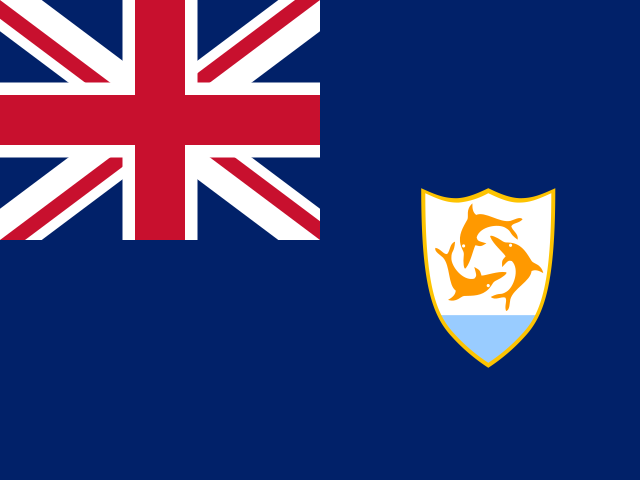
Anguilla trust questions, answered
Anguilla trust questions, answered in plain words: a trustee holds the assets under the Trusts Act 1994 of Anguilla for the beneficiaries the deed names. Each answer is short, and the linked pages hold the detail. Read on, then ask for a quote.
Reviewed by a senior trust administrator, updated
Top questions
Jump to an answer below.
Key facts
- Governing law
- Trusts Act 1994[1]
- Registration
- Registration of a trust is optional under the Trusts Act[1]
- Trustee requirement
- The Commission's page describes local trust companies[1]
Numbers in brackets point to the Sources list at the end of this page.
Basics

A trust in Anguilla works like a trust anywhere in the common law world. A settlor transfers assets, a trustee holds them, and beneficiaries may benefit under the deed.
What sets the Anguilla version apart is the Act it sits under and the conditions it attaches. The rules and their sources are set out on the law page.
People often describe these trusts as protective. That label refers to rules the Act contains, not to a result.
Is it safe to hold assets in a trust in Anguilla?
Safety depends on the trustee, the deed and how the trust is used. Protection against a particular claim turns on timing, control and the courts at home, which only your lawyer can judge. We make no promise of an outcome. Ask your lawyer to review the trustee, the deed and your timing before any assets move.
Who are the settlor, trustee and beneficiaries?
The settlor creates the trust and transfers assets. The trustee holds and manages them under the deed. Beneficiaries are the people or class who may receive distributions. A protector, where one exists, oversees key trustee decisions. The deed sets out each role, and your lawyer advises who should hold it.
Can the settlor also be a beneficiary?
A deed can be drafted that way if the law allows it, and your Anguilla lawyer confirms how it applies to your deed. Keeping too much can lead a court at home to treat the assets as still yours. Your lawyer reviews that balance before you sign.
Does a trust in Anguilla have to end on a set date?
How long a trust may last under the Trusts Act 1994 is a point your lawyer confirms for your case. Counsel reads that Act with any amendment the Commission lists, and decides with you whether the deed should set an end date. Your lawyer raises it before drafting starts.
Can a foreign court order undo a trust in Anguilla?
Your lawyer checks how Anguilla law treats a foreign judgment before you sign. A court at home can act against you personally if you live there. Your lawyer explains how far a home court can reach in your case. Ask about it before drafting begins.
Setting up
Set-up follows the same steps for every client, and documents decide the pace. You pass identity and source-of-funds checks, design the structure with your lawyer, approve the deed and sign.
Registration is optional; if you choose it, the trustee files before assets move. The slowest part is usually evidence of where the money came from, so gather it early.
The formation guide lists the papers the trustee asks for, step by step.
Do I need to visit Anguilla?
Usually not. Documents are signed before a notary where you live, and meetings run by video call. Counsel and the trustee agree how signing works for your case, so mention any travel limits in your first message. Some banks ask for an in-person meeting, and we tell you early if one does.
Can a company hold the assets under the trust?
Often, yes. Assets can sit in a holding company that the trust owns, so the trustee holds shares rather than the assets themselves. It changes who signs what and where records sit. Your lawyer advises whether it suits your assets, and the choice shows up in the cost.
Running the trust
Once the trust holds assets, the trustee runs it under the deed: it holds meetings, keeps accounts and passes resolutions. We prepare the papers for each request before the trustee decides.
The structure stays sound when the deed is followed in practice, with real decisions recorded properly. A settlor who treats trust money as their own is a warning sign.
Running a trust has yearly charges, and over its life they can add up to more than the set-up. The breakdown of what you pay for explains each item.
We publish the set-up fee for a standard trust; annual administration, event-based work and third-party charges are quoted after we review your case.
What does a trustee do in Anguilla?
The trustee holds the assets, decides on distributions under the deed, keeps accounts and handles filings. It must act in practice, with real meetings and resolutions, not simply sign what the settlor sends. A trustee that rubber-stamps requests is a warning sign.
Can I change the trustee later?
The deed usually says how a trustee is replaced, and a protector may hold that power. A change means new checks, new papers and sometimes new charges, so ask about notice and exit terms before you sign. We raise those points with the trustee for you.
What happens if I move to another country?
A move can change how your home country taxes you and may change whether the trust still fits. Tell your lawyer and tax adviser before you move, not after. We update the trustee and the records, and review the deed together with your advisers.
Reporting and tax
Tax follows the people involved, so your home country decides how you are taxed. If you register, the trustee makes that filing on the Anguilla side.
Your lawyer confirms any reporting that applies to the trustee or a bank. Your own tax adviser also tells you what to file at home.
Do I pay tax on an Anguilla trust?
The Anguilla Commission pages cover the Trusts Act 1994 and its optional registration, not your tax position. Your own tax adviser tells you what to report at home as settlor or beneficiary. We promise no tax outcome. Anguilla's tax treatment is a point your tax adviser confirms for your case.
Does an Anguilla trust report to my tax authority?
Which reporting duties apply to the trustee or a bank, such as under the Common Reporting Standard, is a point your lawyer confirms for your case. Expect the bank to ask for self-certification forms for the trust and any company it owns at the start.
Getting help
Start with the Anguilla guide for the whole picture, or send us your plan.
You can ask for a quote at any time. Tell us where you live, what you plan to hold and who the beneficiaries are.
Can you start my trust now?
Yes. Tell us what you plan, and we tell you what to prepare and confirm a start date in writing. We begin with the identity checks and send your lawyer the same drafts we send you. Nothing is signed until your own advisers are content with the structure.
Do you replace my lawyer or tax adviser?
No. Your own lawyer and tax adviser at home must confirm that an Anguilla trust suits your position where you live, while a lawyer you hire in Anguilla advises on the Trusts Act. We work alongside all of them from your first message and send everyone the same drafts.
Sources
- Anguilla FSC: Trust sector page, read 2026-11-05.